Gems from the Lab
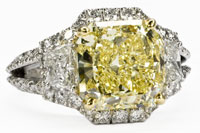 Ah, the romance of the diamond, pressed into existence by Mother Nature
over thousands of years. Its history is a metaphor for love's endurance, just
as its brilliance suggests the spark in the beloved's eyes.... But what if
the suitor could give a ring with a brilliance born in a laboratory?
Ah, the romance of the diamond, pressed into existence by Mother Nature
over thousands of years. Its history is a metaphor for love's endurance, just
as its brilliance suggests the spark in the beloved's eyes.... But what if
the suitor could give a ring with a brilliance born in a laboratory?
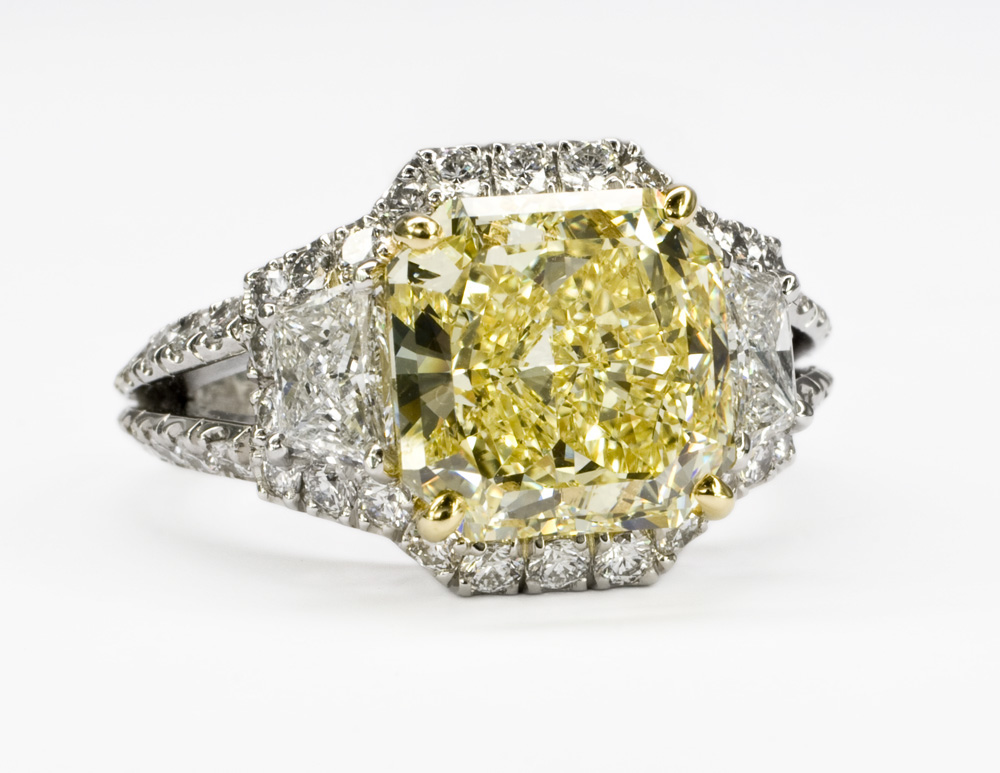
One of the more remarkable feats of technology in the jewelry industry is the development of high quality gems in laboratories. Not only diamonds, but also emeralds, rubies, sapphires, opals and other popular stones are now synthesized in labs and sold by jewelers.
Although for many people synthetic has a negative connotation, suggesting that a thing is not genuine, the word just means "put together". These gems put together in the lab are real gems. They are not imitation stones, made of a cheap material that looks like a valuable one--as cubic zirconia looks like diamond. Synthetic gems are "optically and chemically identical to their natural counterparts," explains mineralogist Joel Arem. "The only significant difference is the place of origin: a laboratory rather than deep within the earth."
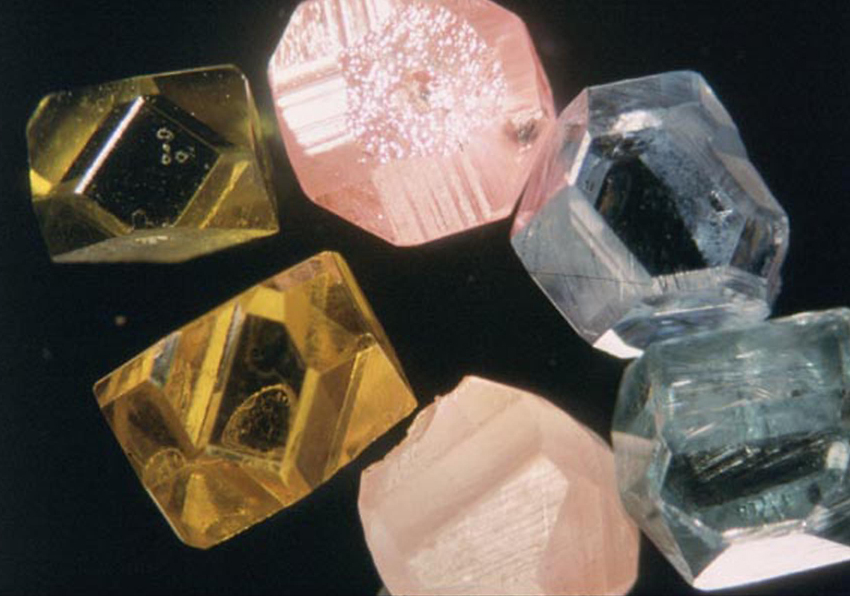
Rough Synthetic Gem Material
(Photo courtesy of Chatham Created Gems)
Over the last hundred years several of the major gems have been manufactured from chemical raw materials, but now the technology is much improved and so is the jewelry market. Synthetic stones sell for an incredible 5-10% of the price of a natural gem, so vastly more people can afford them.
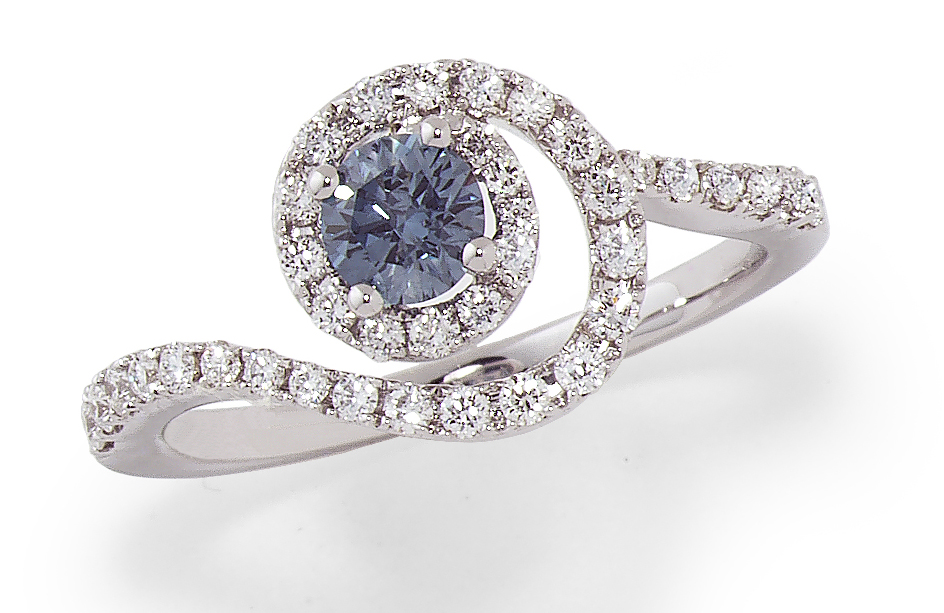
Synthetic Blue Daimond Ring
(Photo courtesy of Chatham Created Gems)
Many jewelers are still reluctant to carry lab-grown gems, saying that customers do not understand the distinction and think they are being cheated. Others say that good quality synthetics are as beautiful as their natural counterparts and are far less expensive. "It's still fine jewelry," asserts one jeweler. The national chain that blatantly calls itself Imposters sells synthetic gems in quality settings of 14K and 18K gold and even platinum, some made by Tiffany. They are upfront about disclosure, and their customers are indeed buying fine jewelry.
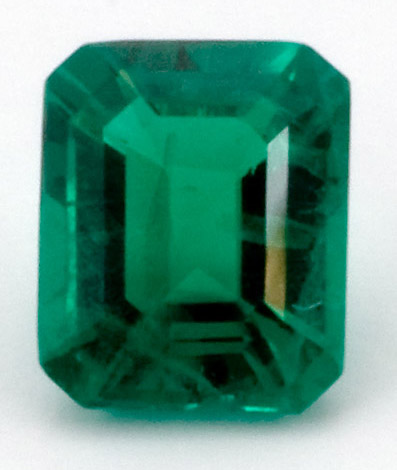 Synthetic Emerald |
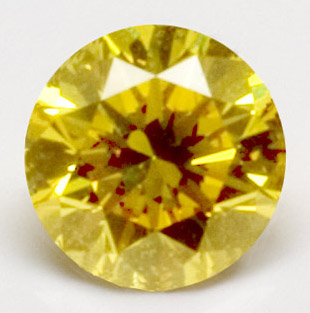 Synthetic Yellow Diamond |
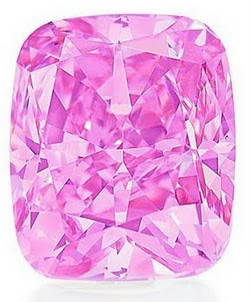 Natural Pink Diamond |
(Photos of synthetic gems courtesy of Chatham Created Gems) |
||
But in most cases, does the customer know the difference between a natural gem and a synthetic, is a synthetic gem disclosed as such? In a survey reported in one jewelry trade magazine, 97.4% of the responding jewelers said they disclosed synthetic gems verbally, but only 50.4% disclosed on the sales receipt. It is an open question whether a synthetic would be so identified in an insurance appraisal, as it certainly should be.
FOR AGENTS & UNDERWRITING
If a gem is synthetic, the ACORD >78/79 appraisal will explicitly say so. Other appraisals may be less reliable. Although lab-made gems utilize the same genuine ingredients found in natural gems, the value of a synthetic may be as little as 1% of its natural counterpart!
FOR CLAIMS
If a stone is missing, and you suspect that it may have been synthetic, find out the selling price and whether the appraisal was done at the time of sale. A check of the historical pricing, which a reliable jeweler can do, will show whether the stone was natural or synthetic.
Ask the policyholder where the jewelry was purchased. Some retailers specialize in synthetics, other refuse to sell them at all. If the lost stone is one of several in a setting, have the other stones inspected in a gem lab. If the remaining stones are synthetic, you can assume the lost one was synthetic as well.
©2000-2024, JCRS Inland Marine Solutions, Inc. All Rights Reserved. www.jcrs.com
Subscribe to Jewelry Insurance Issues